
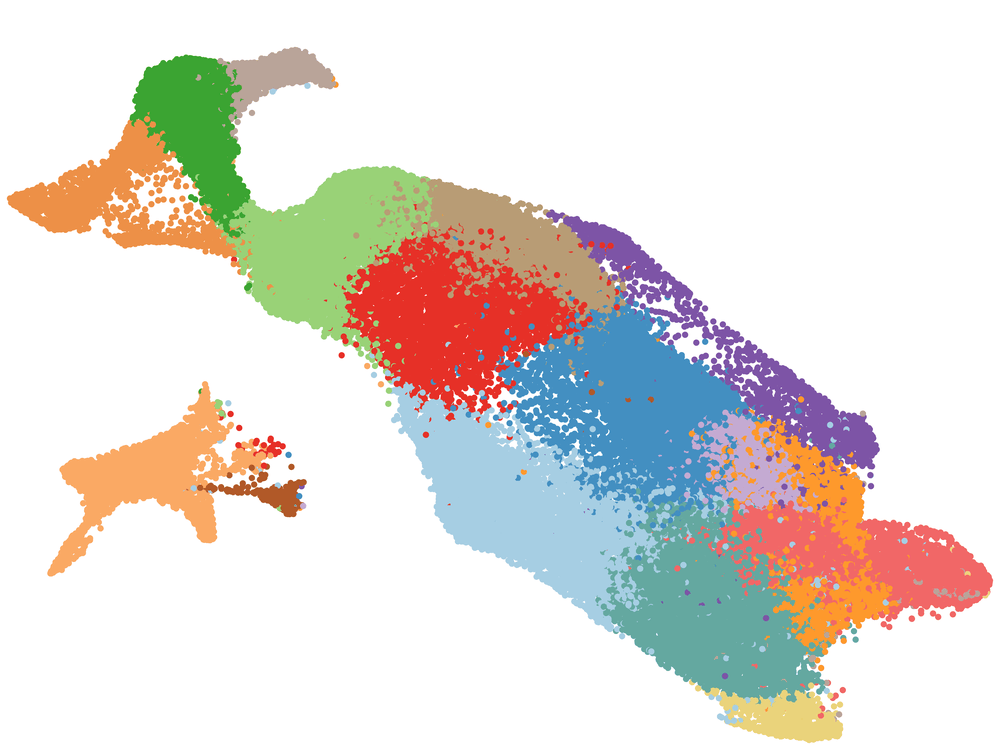

Annotate single cells in your sample, automatically or manually (by cluster), to define which cell populations are present.
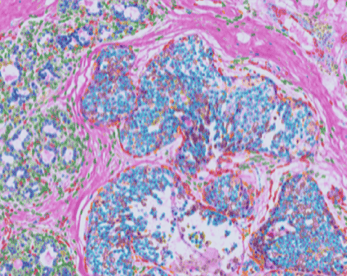
Map your spatial architecture of a tissue, identifying distinct regions and how their cell types and pathways differ.
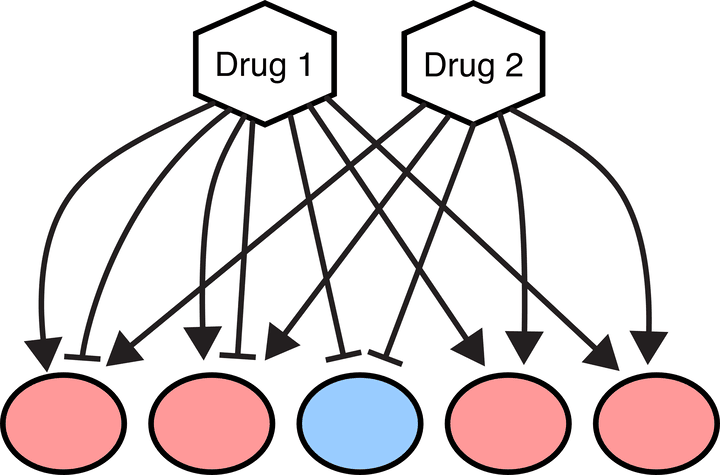

Match your disease gene signature to drugs known to reverse it, or to drugs that produce a similar molecular effect.
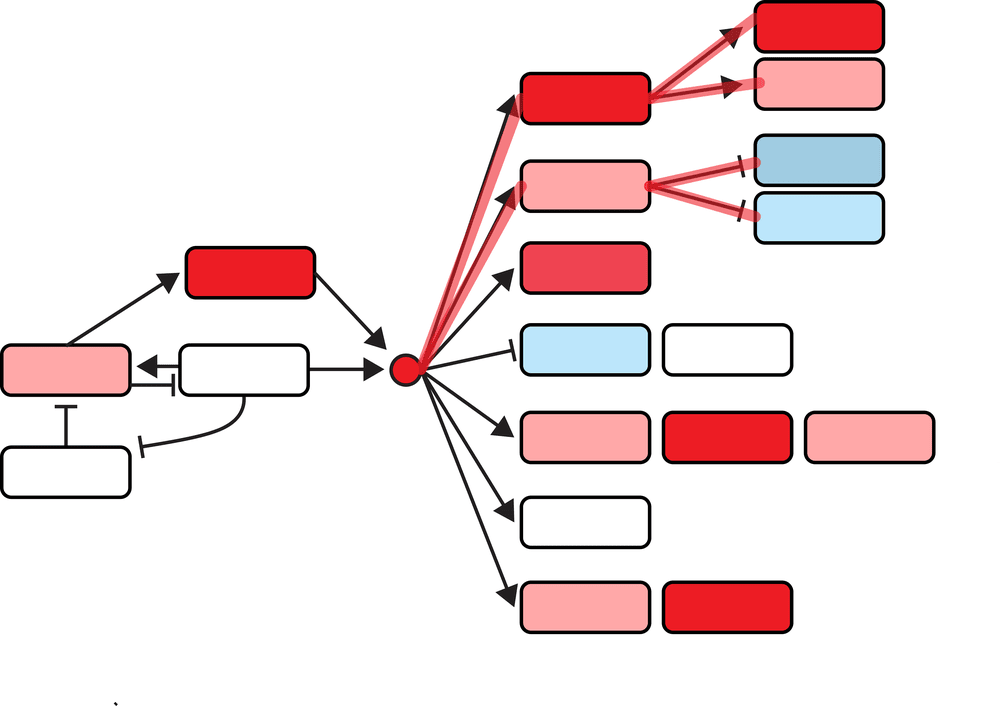
Uncover the mechanism behind your signature with topology-aware impact analysis: perturbed pathways and the upstream regulators driving them.
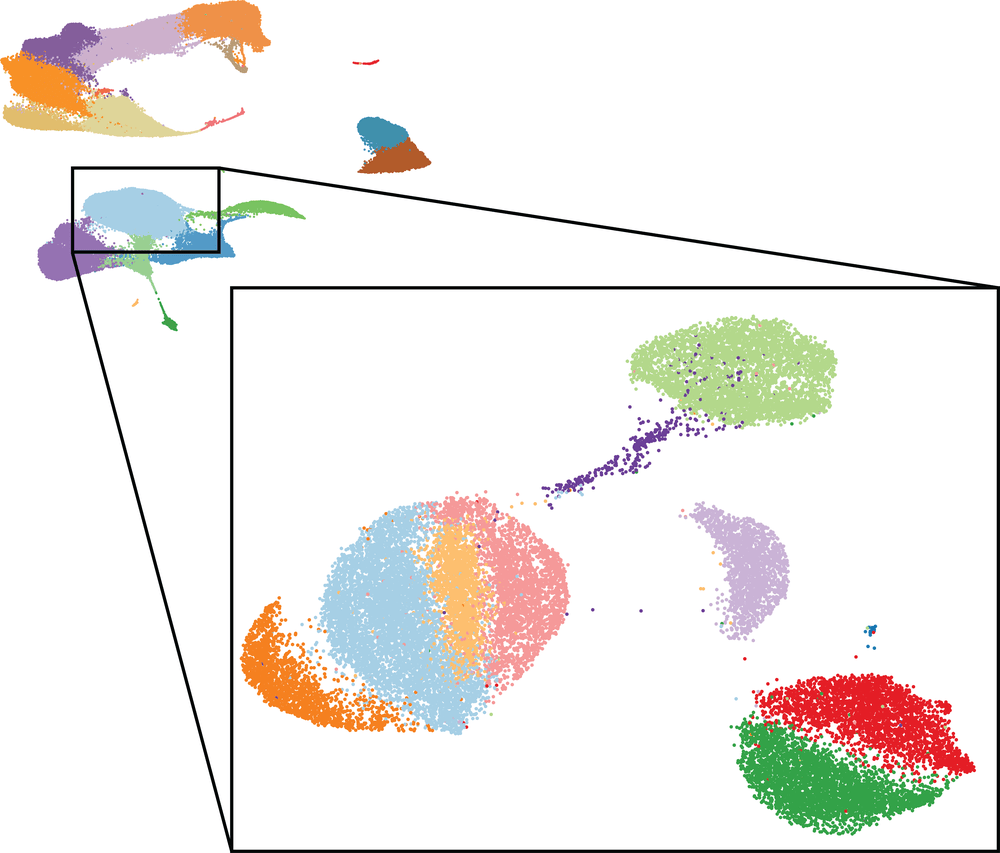
Discover subgroups within your population from their molecular profiles to stratify samples and guide decisions.
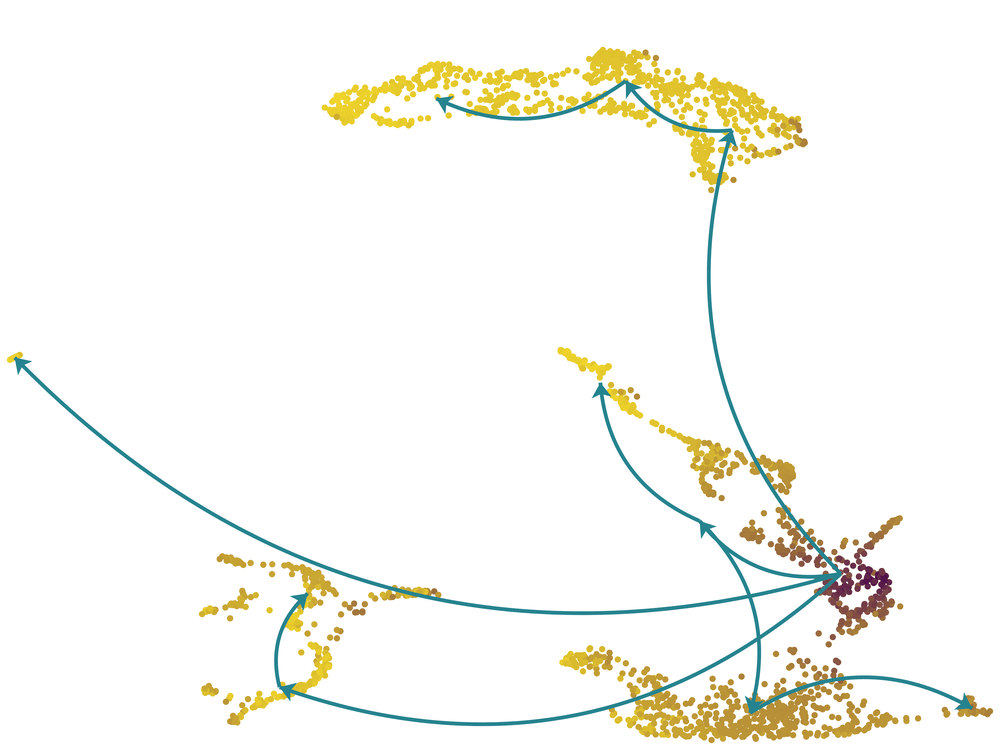
Order cells along developmental or regenerative trajectories, using pseudotime to trace how states emerge, diverge, and transition.
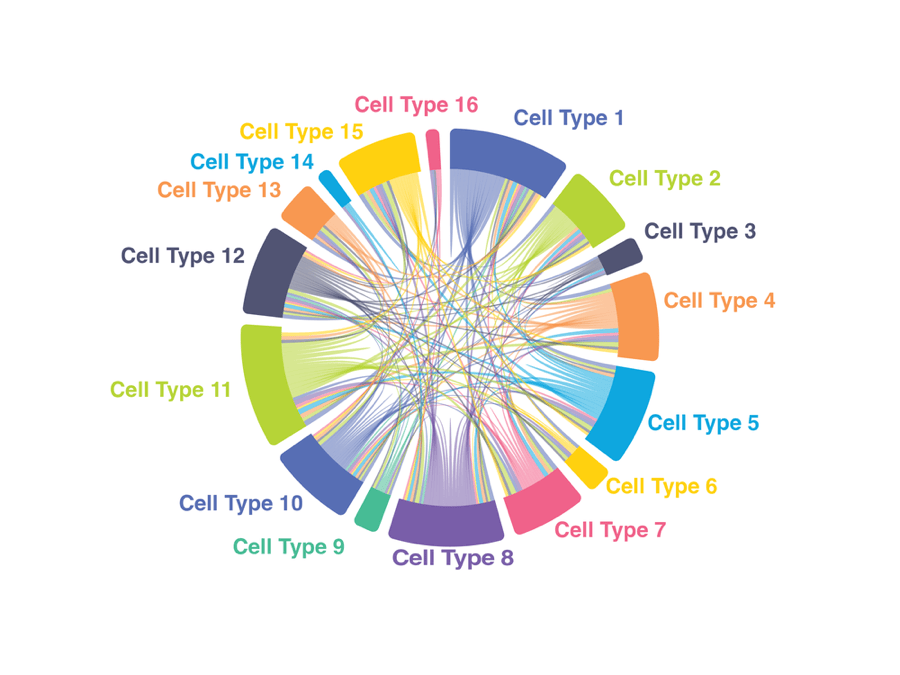
Infer how your cell populations signal to one another, identifying the ligand-receptor interactions in your dataset.
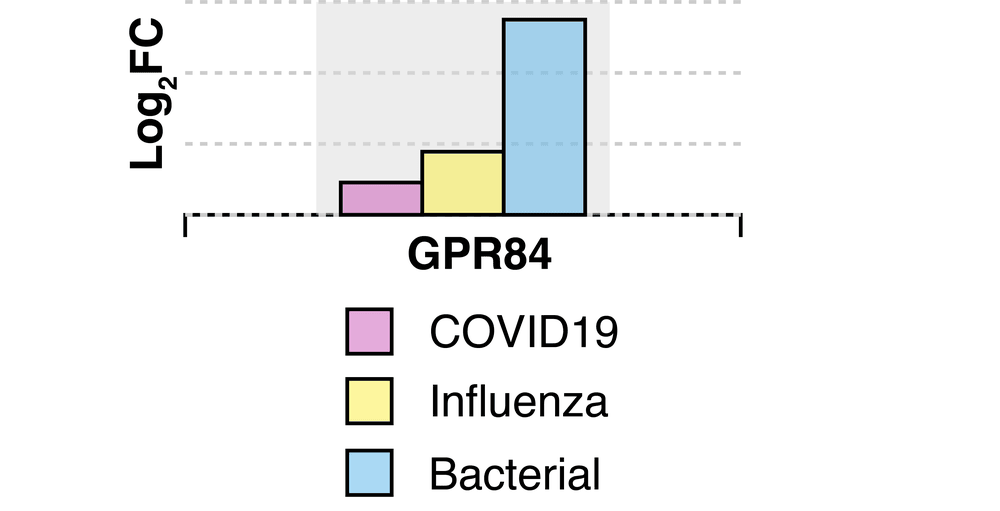
Identify the biomarkers in your data that indicate a specific biological state, process, or treatment response.
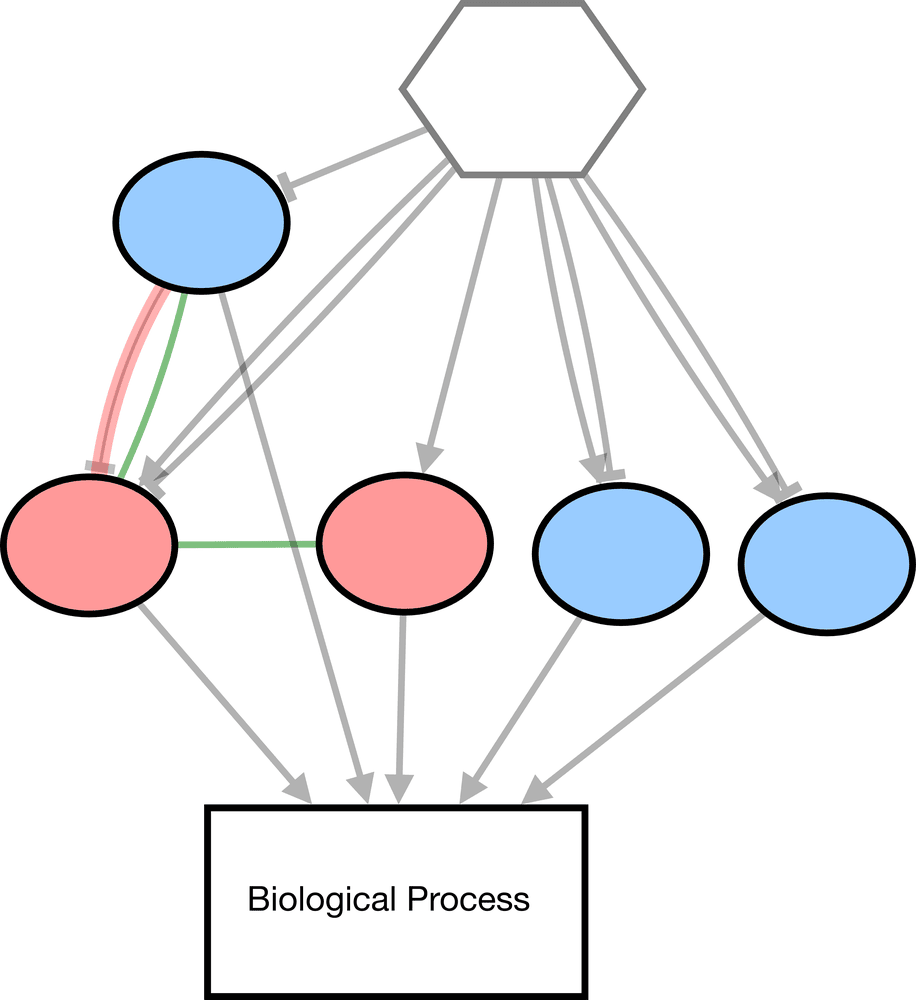
Build interaction networks from your data to reveal hub genes, modules, and the key drivers organizing the response.